
Green Mountain
An authentic and diverse mountain heritage
Mountain regions, rich in centuries-old traditions, offer visitors a wealth of heritage treasures that bear witness to the lives of their inhabitants and local history. Whether this heritage is tangible, with its historic buildings, or intangible, with its legends and know-how, it lends a unique cultural dimension to the villages and resorts. Crossing valleys and crests, you’ll discover century-old chalets and hamlets that tell the story of mountain communities of yesteryear. Other regions, with their modern twentieth-century resorts, bear witness to recent developments marked by the boom in winter sports and innovative architecture. This blend of ancient and contemporary makes every visit an invitation to discover a living heritage, where landscapes, traditions and human encounters come together.
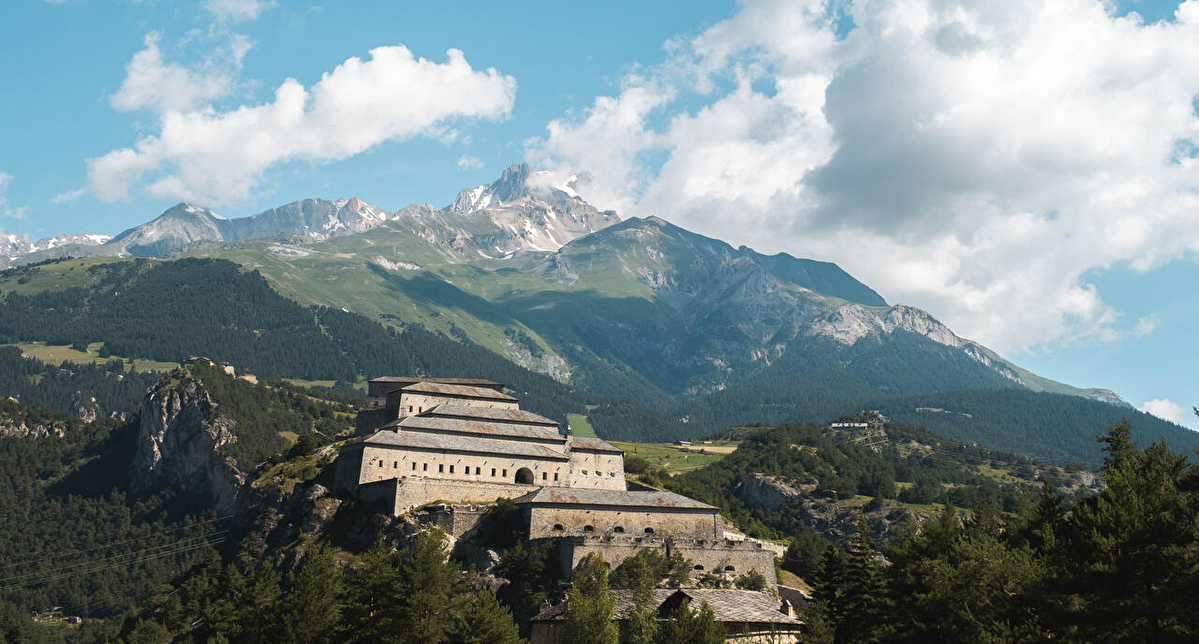
Monuments and historic routes: an exploration not to be missed
Mountain monuments such as forts, churches and chapels are silent witnesses to the history and faith of local communities. Every village has a place of worship, often nestled in picturesque locations, with unexpected architectural features such as Savoyard baroque or the more experimental buildings of recent decades. By exploring these buildings, visitors can feel the influence of regional styles and admire building elements typical of mountain areas. For an even deeper immersion, heritage tours explore the history and customs of the resorts, giving visitors the chance to understand the evolution of these holiday resorts. In this way, visitors can give more meaning to their stay, getting closer to the soul of the area and its people.
Anecdotes and unsuspected heritage
The mountains are full of hidden treasures and fascinating anecdotes that make their heritage unique. Did you know that remains of inhabitants dating back to the 12th century have been found at the Alpe du Grand Serre? Or that Vauban forts, imposing military constructions, can be seen in the Val d’Allos? The mountains are not just places for recreation, but also witnesses to past eras. Some ski resorts are famous for their thermal springs, offering visitors a wide range of experiences. Major restoration projects are also bringing historic sites back to life, such as a 1750 mill in the Val d’Arly, which has been restored to allow visitors to discover the techniques of yesteryear. In this way, the mountains are becoming a space for cultural exploration, where every path and monument tells an ancient story.
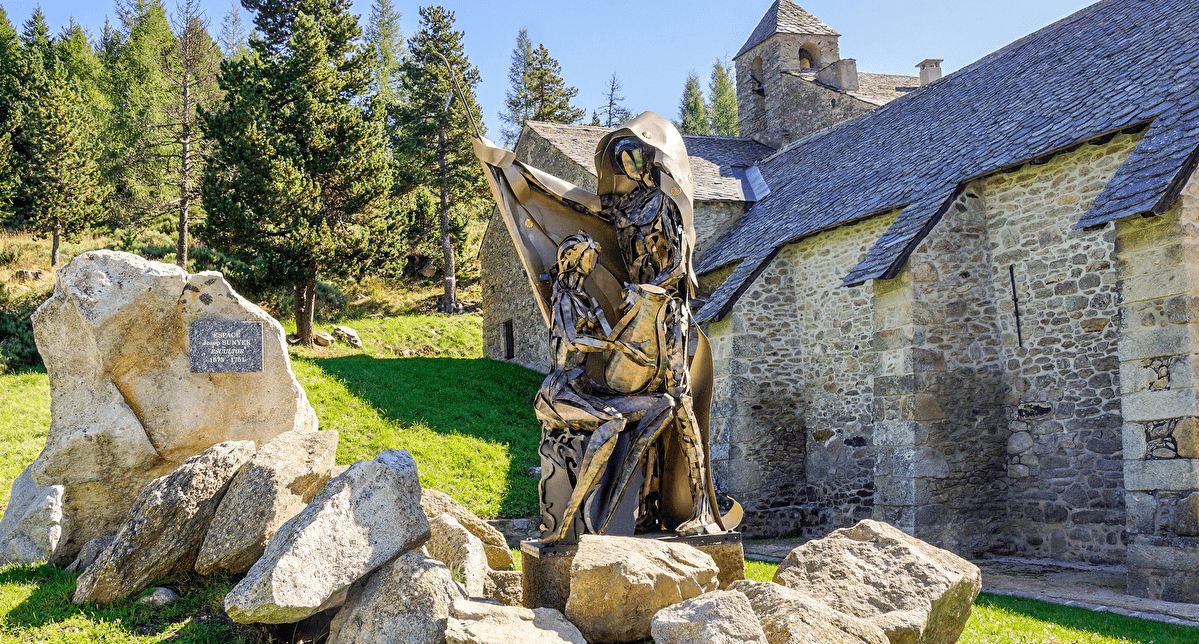
Outdoor art and cultural experiences
At altitude, nature and art come together to offer a unique cultural experience. France’s mountains are transformed into open-air galleries, where art trails combine the discovery of awe-inspiring landscapes with contemporary works of art. Font-Romeu offers an innovative concept of a museum without walls, while in the Sancy, monumental sculptures and works of land art blend harmoniously into the forest paths. These works, often bold, surprise visitors and add a poetic and engaging touch to the walks. Visitors are invited to explore art in all its forms, discovering ephemeral or permanent installations that enhance the natural beauty of the mountains. Art in the mountains creates a dialogue between the landscape and human creativity, offering a new and enriching perspective.
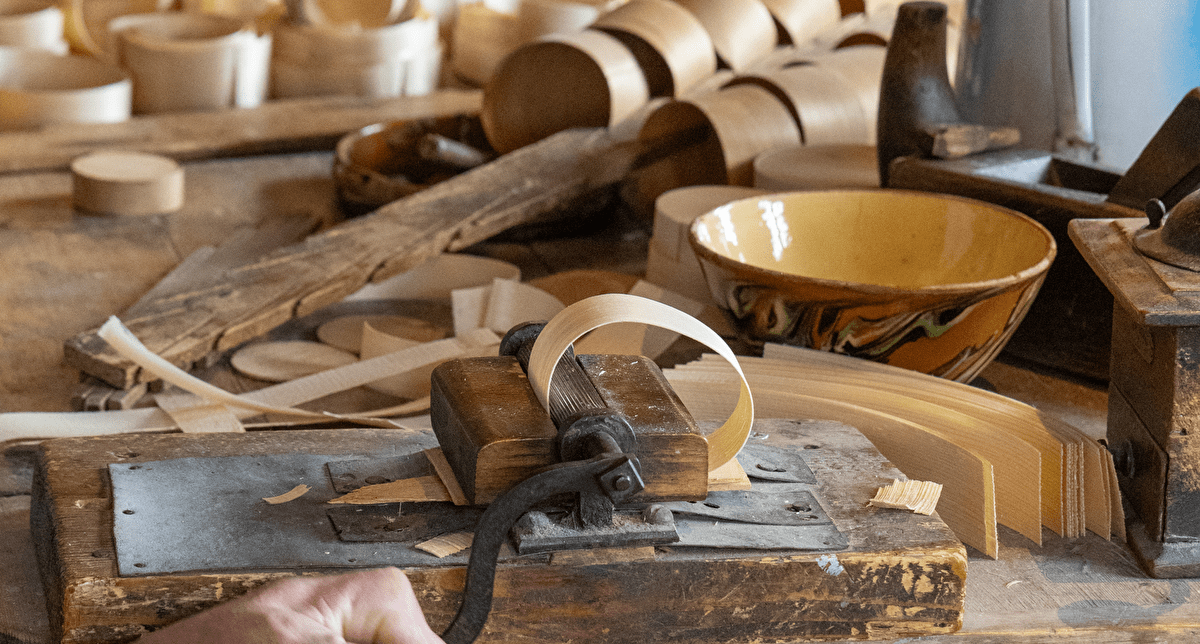
Crafts and know-how: authentic encounters with local artisans
As well as museums, living heritage can be found in mountain workshops and factories, where passionate craftspeople perpetuate ancient skills. Visiting some of these factories offers a glimpse of the age-old craft techniques that characterise the mountain region. At Maison Piganiol, near Le Lioran in the Massif Central, visitors can discover the painstaking art of umbrella-making, with each stage of the process characterised by unique expertise. In the Hautes-Alpes, the Valgaudemar spinning mill, which has been in operation since 1830, makes high-quality yarns from local natural materials, perpetuating a tradition that combines expertise and respect for the environment. Finally, there are craftsmen’s markets and workshops dotted around the mountain ranges, where original creations such as carved wooden objects, pottery and decorative art are crafted with respect for tradition. These objects, often designed with an attention to detail and creativity unique to mountain craftsmen, offer visitors authentic souvenirs, symbols of the spirit and soul of the mountains.