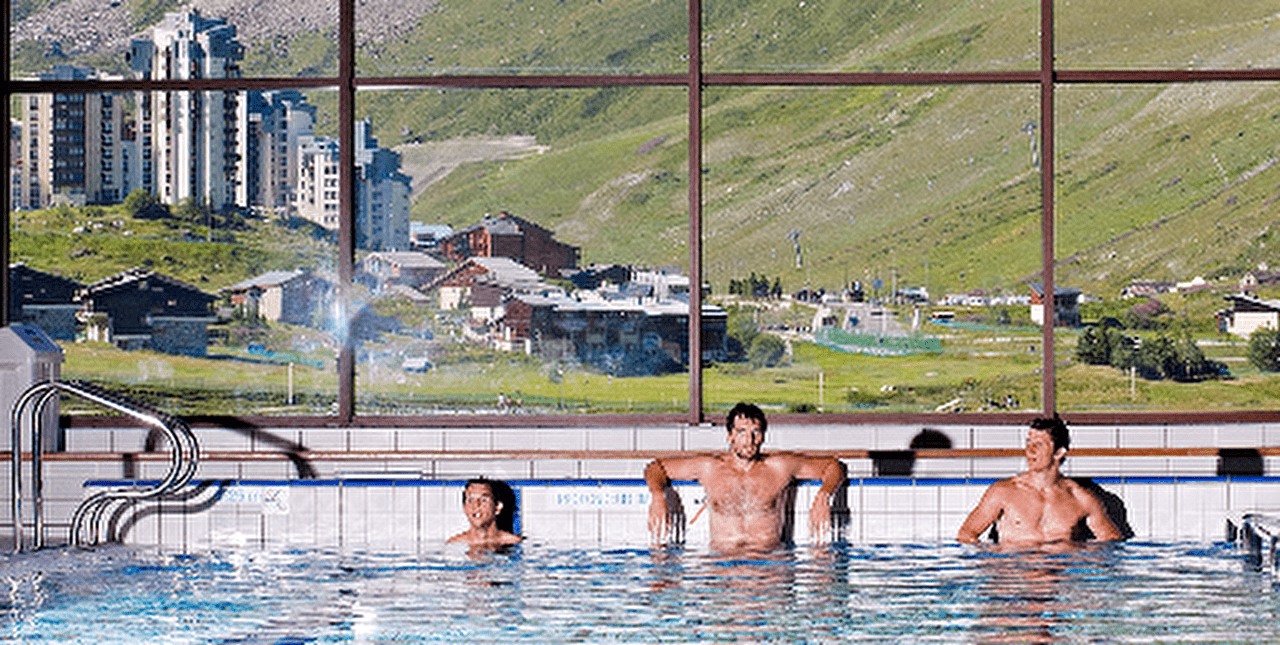

Sports and adventure
Training camps : why do athletes choose the mountains?
Ever since the French football team prepared for the 1998 World Cup in Tignes, high-altitude training courses have been all the rage among top-level athletes. The physiological benefits of altitude, a holiday atmosphere in idyllic surroundings and top-quality facilities explain this craze, which is also spreading to amateur sportsmen and women.
What do the French rugby team, 2014 world long jump champion Eloyse Lesueur, Montpellier handballers, trailer and ski-mountaineer Kilian Jornet and European triathlon champion Radka Vodikova all have in common? They have all come to Tignes for altitude training camps, often before a major event. The French basketball team, Adrien Mattenet, France’s number 1 table tennis player (ranked 19th in the world) and the Française des Jeux cyclists have all taken advantage of the fresh air at Alpe d’Huez, the French downhill mountain bike team at Aussois, the Clermont rugby players regularly prepare at Besse Super-Besse and walker Yohann Diniz at Les Angles.
Altitude, a red blood cell factory!
The decision to train at altitude is not just a fashion phenomenon. It can be explained by the physiological benefits it brings. “At altitude, you increase the total mass of haemoglobin (i.e. red blood cells), which increases your capacity to transport oxygen in the blood. In short, you can produce more energy, which is crucial for runners and cyclists”, explains Jean-Claude Banfi, a former PE teacher turned sports coach.
“There is also a gain in strength and hypertrophy (increase in muscle size), which is interesting for skiers, for example. There’s also an increase in an athlete’s ability to repeat high-intensity sprints, since the effect is on the muscle’s ability to be irrigated. In the latter case, we are primarily targeting people who play intermittent sports (tennis, football, basketball, etc.),” explains the coach. He has a Master’s degree in biology and trains around thirty sportsmen and women at all levels all year round, as well as offering courses at altitude in Les Saisies.
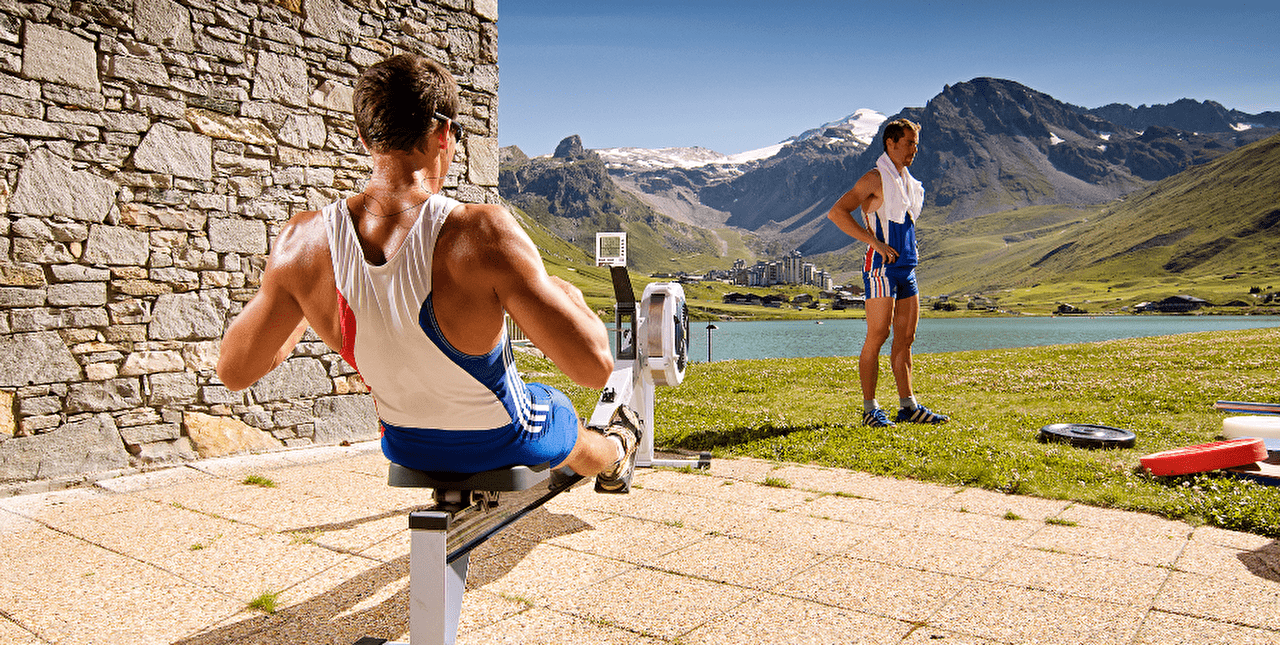
Superbly equipped sports complexes
The Beaufortain resort has a hypoxia room (used to simulate a climb to high altitude) at the Centre Aquasportif du Signal. Complexes of this type housing a swimming pool, fitness and weight rooms and a gymnasium have sprung up in many French resorts, including Val Thorens, Font-Romeu (home to the Centre National d’Entraînement en Altitude), Val d’Isère and Vaujany. The quality of their sports facilities – combined with mountain recreational activities such as hiking, mountain biking and snowboarding – is what attracts champions to the resorts. A range of facilities and services that benefit sports-loving holidaymakers or those who want to become sports-lovers!
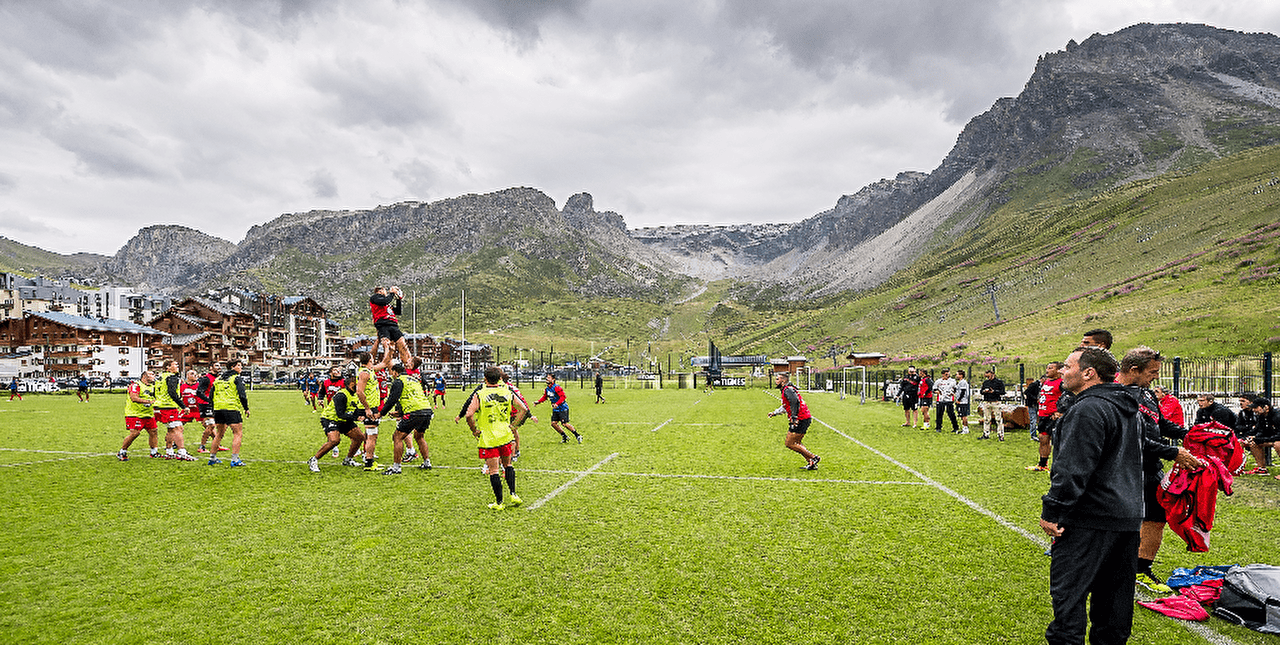
Acclimatising your body to altitude
Before embarking on an intensive sports programme above 1500 metres, you first need to acclimatise your body to the altitude. Not everyone reacts well to altitude. “If you’re a bad responder, a course at altitude will make you very tired”, warns Jean-Claude Banfi.
“The ideal is to stay for a fortnight, even if the first benefits start to be felt after a week at altitude”. What about a weekend course? There’s not much to it, apart from the fact that it can help you acclimatise your body a little. “It’s interesting for a runner who lives at sea level and who has to compete in a trail where the course is mostly above 1500 m altitude”. His advice: follow the High – Low – High protocol for maximum efficiency. “You sleep at altitude, then come down to the plain – or at least below 600 or 700 m, before training at altitude and tackling high-intensity sessions”. And the coach reminds us that sports training can never be as intense at altitude as it is on the plains.