

Nature and landscapes
Where to see marmots this summer ?
A photogenic animal par excellence, the marmot is found not only in the Alps (Vanoise, Écrins, Vercors, Queyras, Mercantour…) but also in the Pyrenees, Massif Central, Vosges and Jura. Here are a few walks where you’re almost certain to see one up close. Binoculars will enable you to observe them without worrying. The best times to see them are at mealtimes, early in the morning and at the end of the day.
You can recognise them by their singing whistle and their touching camaraderie. Playful, funny and friendly, marmots entertain young and old alike and make mountain hikes a joy. Where can you see them? Which routes to choose? Our answers here!
In the Alps, in the foothills of the Queyras, the commune of Eygliers (Hautes-Alpes) has created a “marmot trail“. On this trail, which is just a few minutes’ walk from the Mont-Dauphin site, it is very easy to get close to the marmots, which are accustomed to human presence.
In Orcières Merlette (Hautes-Alpes), marmot walks are organised in the evening: a family walk accompanied by a tasting of regional products. The walk takes you through the old cobbled streets of the unspoilt hamlet of Prapic, past flower beds and wild plants, to the legendary Drac waterfall known as the “Saut du Laïre”. The omnipresence of chubby marmots brightens up this pleasant 1? hour walk.
Marmots are very numerous in the Vanoise region, and have made the Col de la Vanoise, near the Félix Faure refuge, above Pralognan-la-Vanoise (Savoie), their home. You can take some great photos of these rodents and their young with the Grande Casse in the background.
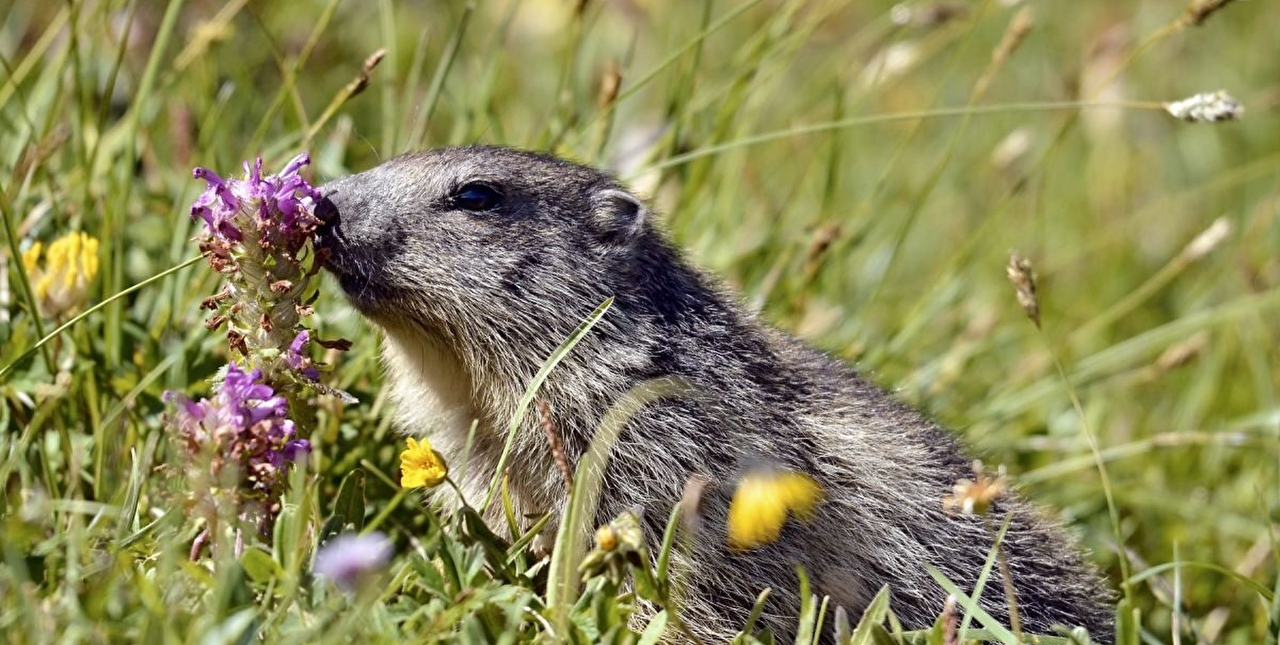
In the Massif Central, marmots thrive on the Puy de Sancy (Puy-de-Dôme). The highest peak in the Massif, it is accessible via the Mont-Dore ski resort.
In the Pyrenees, marmots are very common, particularly in the area around the Bayssellance refuge, above Gavarnie (Hautes-Pyrénées). Some of them, familiar with the refuge, even have a little name! You can see them as soon as you reach the refuge, via the Ossoue dam.
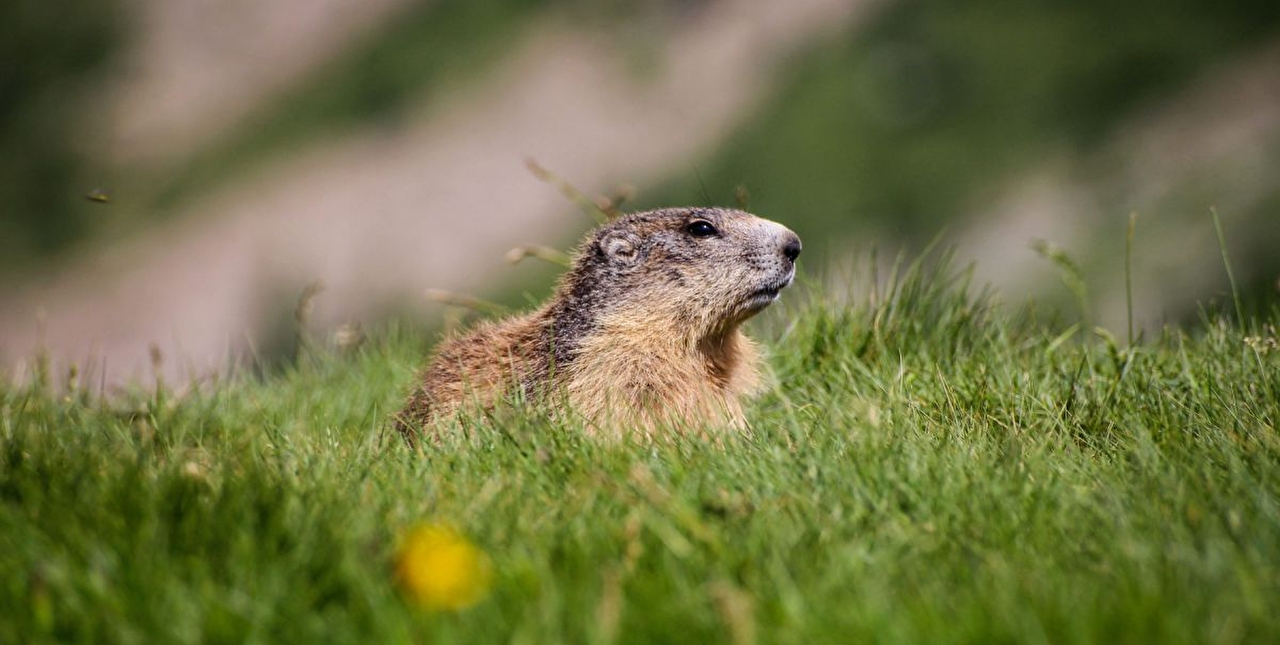
The marmot is so popular with tourists – and so rich in fauna – that some regional nature parks from which it had disappeared have reintroduced it, such as the Vercors in 1974 and the Chartreuse in 1984. What we wouldn’t do for the star of the mountain pastures!