
Tips and recommendations
How to get to french ski resorts ?
Travelling to a ski resort can seem like a complicated journey when you’re planning your first holiday in the mountains. However, whether you’re coming from near or far, there are several options available to help you reach the snow-capped peaks, and the resorts have put a range of measures in place to make your journey easier. Find out about the different transport options available, as well as some tips to ensure you have a hassle-free journey!
A wide range of transport options for getting to the ski resorts
Whilst most holidaymakers currently choose to drive to the slopes, there are public transport alternatives in France that are just as convenient – and, contrary to popular belief, easy to use!
-

© Image générée par IA -
© Ottr Dan - Unsplash -
© Les Arcs - Manu Reyboz -
By plane:
When traveling from abroad, flying is often the easiest way to get as close as possible to the resorts. Major airports such as Geneva, Lyon, Chambéry, Grenoble, Toulouse, and Nice are the closest to the ski resorts and serve as hubs for skiers before they continue their journey. From there, numerous shuttle services or trains will take you directly to your resort.
To make your trip easier, choose the main airports near the mountain ranges:
- Northern Alps: Lyon Airports
- Southern Alps: Nice & Marseille or Milan
- Pyrenees: Toulouse
- Jura Mountains: Geneva
- Vosges: Strasbourg or Basel
- Massif Central: Lyon Airports
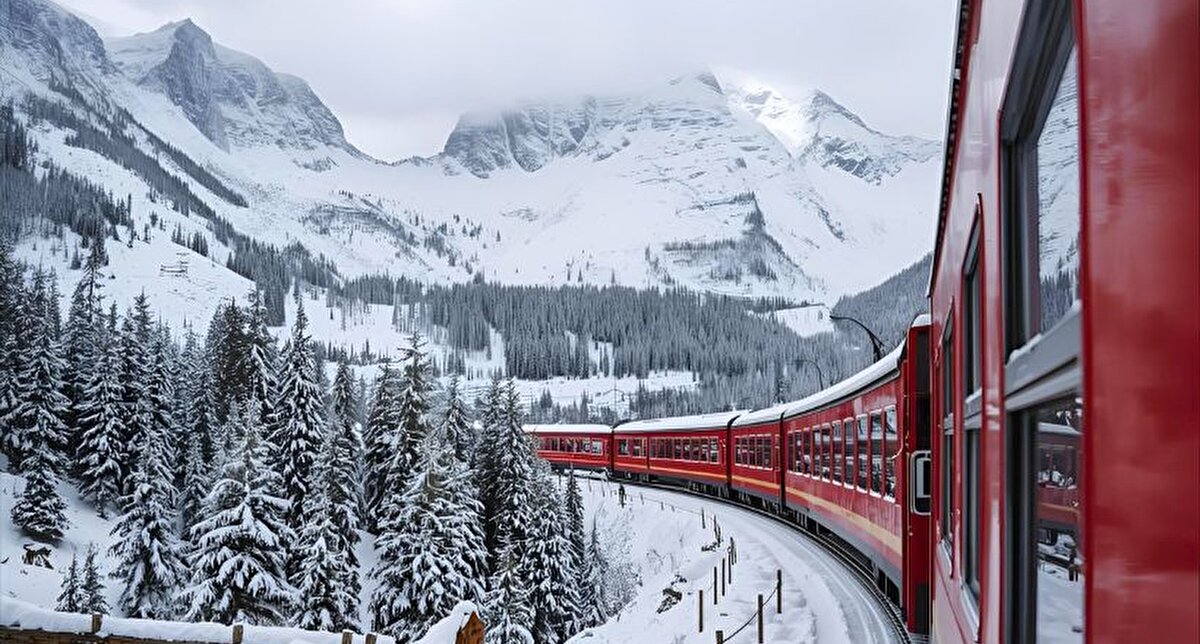
By train:
Did you know that many resorts are accessible by train? TGVs and regional trains take you as close as possible to the resorts, and shuttle or bus services then cover the last few kilometers to drop you off right at the base of the slopes. With relatively few transfers, traveling by train is much easier than you might imagine.
Many train stations in the heart of the mountain ranges offer easy access: Grenoble (Isère), Annecy (Haute-Savoie), Moutiers (Savoie), Bourg-Saint-Maurice (Savoie), Briançon (Southern Alps), Nice (Southern Alps), Bellegarde-sur-Valserine (Jura Mountains), Clermont-Ferrand (Massif Central), Colmar (Vosges), Lourdes (Pyrenees), Tarbes (Pyrenees), etc.
By bus:
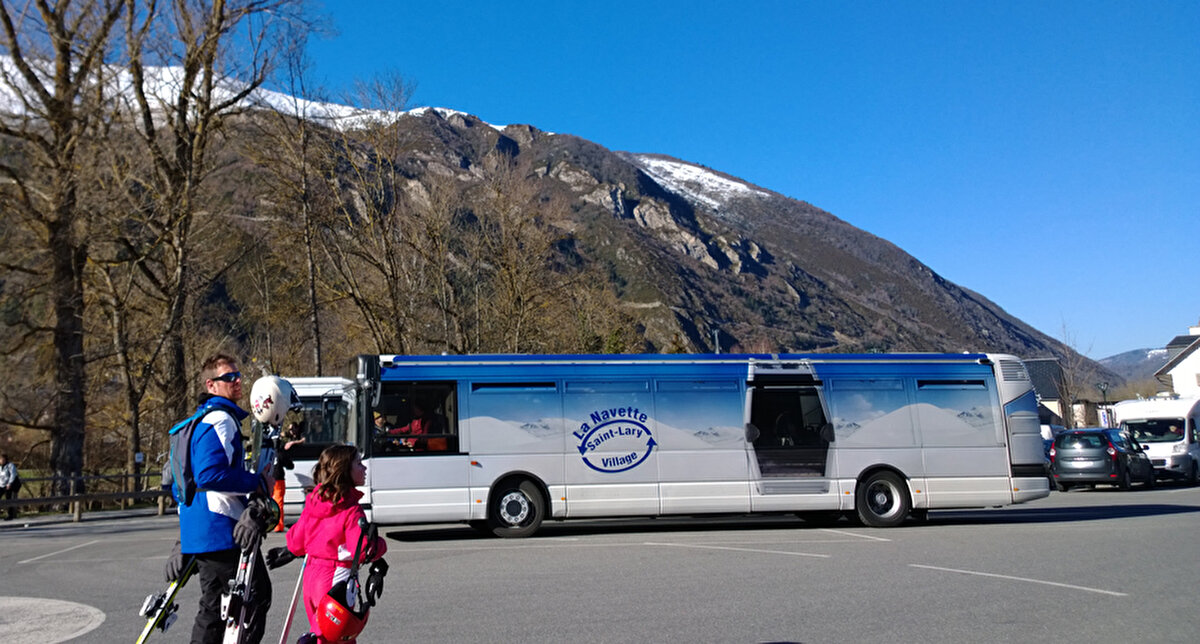
From major cities, the resorts are also accessible by bus! Several companies offer direct routes for a stress-free journey. This is an option not to be overlooked for those looking to keep costs down, as the service will drop you off right in the heart of the resort.
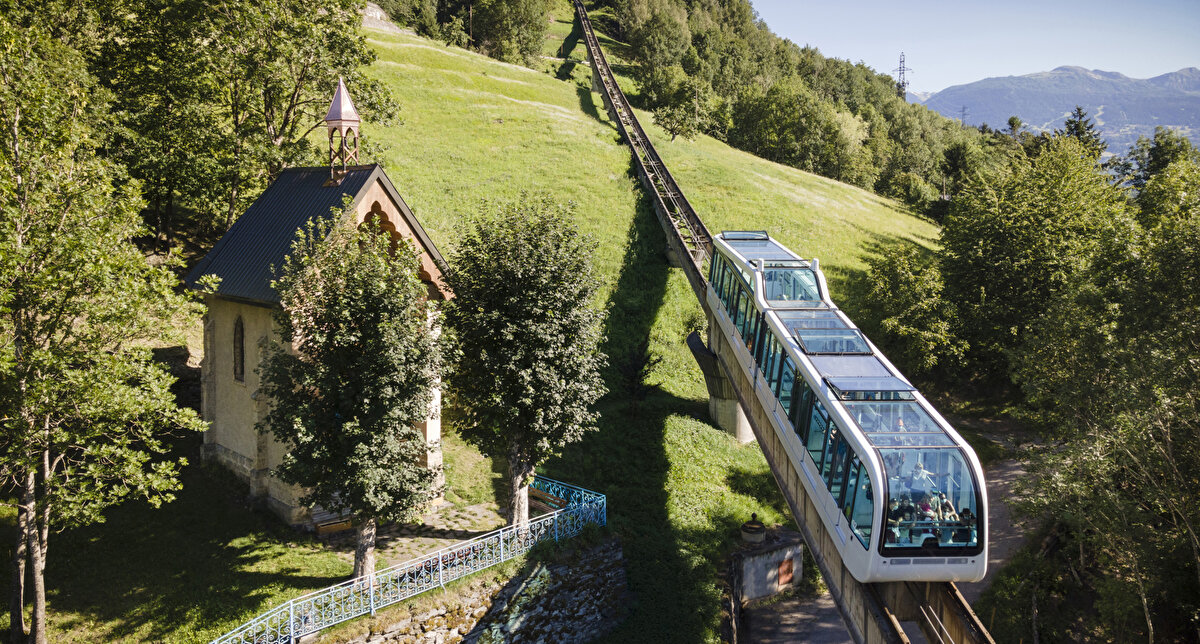
Using valley lifts:
Here’s a practical and quick alternative for getting directly to certain ski resorts from the valleys. These modern facilities, such as funiculars and cable cars, allow you to avoid roads that are often congested or difficult to navigate in winter. Examples include the Bourg-Saint-Maurice funicular – Les Arcs, Skyvall in Peyragudes (a gondola lift connecting the Louron Valley to the resort of Peyragudes in under 10 minutes) and the Eau d’Olle Express, which links Allemont toAlpe d’Huez. An eco-friendly and speedy way to enjoy the slopes without any hassle and leave your car down in the valley.
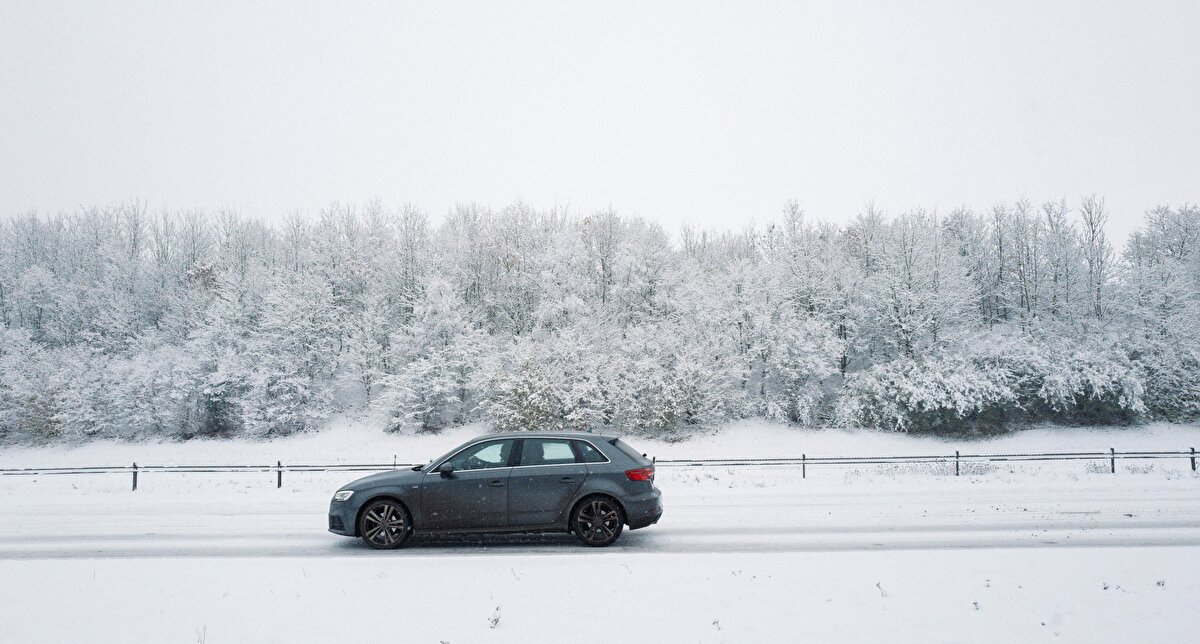
By car:
Of course, all resorts in France are accessible by car. To ensure your journey goes as smoothly as possible, there are a few guidelines to follow:
- Plan your route: use sat-nav apps and remember to check road conditions before setting off.
- Car-share: it’s a cost-effective and sociable way to share travel costs and reduce your carbon footprint.
- Equip your car: don’t forget to fit snow tyres, take snow chains with you and learn how to fit them before your trip. Very often in winter, the access roads to resorts require special equipment.
Planning your holiday at a mountain resort
Whichever transport option you choose, it’s essential to plan your journey to your mountain destination carefully. This also involves making arrangements for a number of things in advance, so that you can make the most of your time there as soon as you arrive!
Accommodation
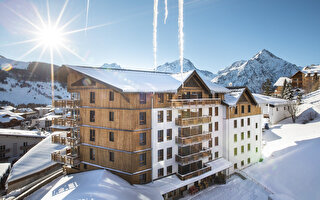
Whether you’re looking for a holiday home, a hotel or a holiday flat, whatever your preferences, it’s often best to book your accommodation several months in advance of your stay. Feel free to contact the establishments, who will advise you on how to get to the resort and their location. This is also the time to find out about details such as parking or direct access to the slopes, so you can arrive stress-free on the day.
Ski passes
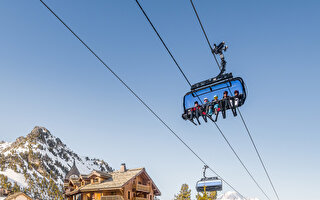
Booking your ski pass in advance means avoiding queues at the ski lift ticket offices and saving precious time when the slopes open. On your resort’s booking platform, you can choose the pass that suits the length of your stay and the number of people in your group or family. Once you arrive, all you’ll need to do is collect your pass before heading to the ski lifts and the slopes!
Equipment hire
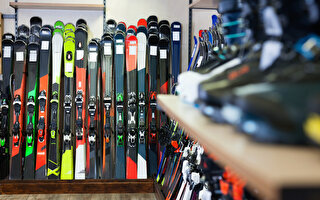
The final step before hitting the slopes: getting kitted out! Equipment hire shops are dotted all over the resort, but once again, booking in advance will make it much easier for you to enjoy winter sports. Whether you book online via the rental company’s website or directly through your accommodation, your skis will be prepared in advance to suit your physical build and ability level. A time-saving tip that’s well worth bearing in mind!
The best deal
All-inclusive holidays
If planning isn’t your strong point and ski breaks seem out of reach, don’t panic. It’s now often possible to book ‘all-inclusive’ breaks, particularly through your accommodation provider. When you arrive, all you’ll have to do is collect your kit and lift passes, and the slopes will be right on your doorstep!